
Top 7 Mistakes Patients Make After Knee Replacement Surgery
Every year, about 800,000 people in the United States get joint surgery to improve mobility and reduce pain. This surgery is very successful. But, getting fully healthy takes diligent attention and patience. Many people don’t realize how complex the healing process is, leading to avoidable setbacks.
Knowing common mistakes is key to long-term success. By spotting these errors early, you can take proactive steps to get the most from your surgery. Following expert advice and staying committed to your recovery will help you get your life back. Using good knee replacement surgery aftercare tips by Dr.AniketPatil is the best way to smoothly move through this time.
Key Takeaways
- Surgery is only the first step in a long recovery journey.
- Avoiding common mistakes significantly improves long-term mobility.
- Professional guidance is essential for a safe rehabilitation process.
- Patient commitment directly influences the final surgical outcome.
- Proactive planning helps prevent unnecessary complications during healing.
Understanding the Recovery Landscape
The journey to get back on your feet is long and requires patience and effort. The surgery is just the beginning. Your success in knee replacement recovery depends on how well you follow the recovery plan. Many people think the surgery is the end, but it’s really the start of a healing journey.
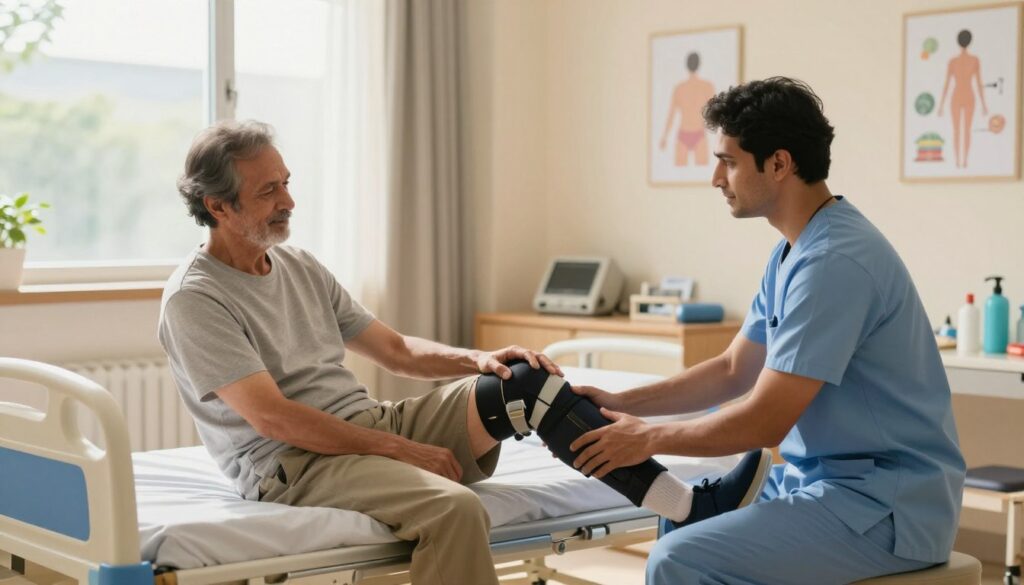
Looking for knee replacement surgery aftercare tips by Dr.AniketPatil or following your surgeon’s advice in the U.S.? The healing time for tissues is the same everywhere. While the surgery helps with pain, getting back to normal takes time. Most people see progress in weeks, but it can take a year to reach the best results.
It’s important to have realistic goals to avoid setbacks. See your recovery as a series of achievements, not just one event. Here’s a table showing the healing stages most patients go through after surgery.
| Recovery Phase | Primary Focus | Expected Outcome |
|---|---|---|
| Early Phase (Weeks 1-4) | Pain management and wound care | Reduced swelling and initial mobility |
| Intermediate Phase (Months 2-3) | Physical therapy and strengthening | Improved range of motion and gait |
| Advanced Phase (Months 6-12) | Return to daily activities | Maximum joint function and stability |
Knowing these stages helps you prepare for what’s ahead. Consistency in your rehab is key for lasting results. Keep your eyes on the goal and remember, every small step helps in knee replacement surgery recovery.
Common Physical Activity and Mobility Errors
After your surgery, it’s important to avoid common mistakes that slow your recovery. A successful knee Replacement surgery in pune rehabilitation needs the right balance. You must move enough to heal but not too much to hurt the joint.
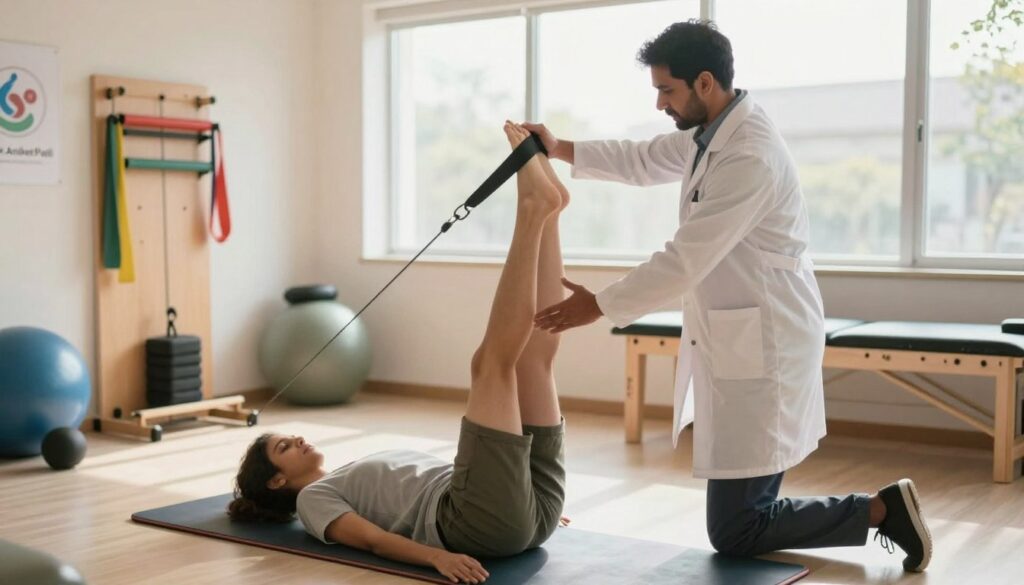
Neglecting Physical Therapy Exercises
Missing your physical therapy sessions is a big mistake. These exercises keep your muscles strong and your joints flexible. They are crucial for your recovery.
Ignoring these exercises can cause stiffness. This stiffness can make it hard to move your knee as much as you want. It gets worse over time.
Overexerting the Joint Too Early
It’s important to stay active, but don’t push too hard. Proper post-surgery mobility means listening to your body. Avoid activities that are too hard before your doctor says it’s okay.
Doing too much too soon can cause pain and swelling. It’s better to slowly get back to normal. This helps your new joint fit well with your bones.
Ignoring Signs of Blood Clots or Infection
Watch out for knee replacement surgery in pune complications in the first few weeks. Catching problems early is key to avoiding bigger issues later.
If you see any of these signs, call your doctor right away:
- Persistent or worsening redness around the incision site.
- Sudden, unexplained swelling in the calf or knee area.
- Fever or chills that do not subside.
- Increased warmth radiating from the surgical site.
| Activity Type | Recommended Action | Risk of Neglect |
|---|---|---|
| Physical Therapy | Daily adherence | Joint stiffness |
| Daily Movement | Gradual increase | Excessive strain |
| Symptom Monitoring | Constant vigilance | Infection progression |
| Rest Periods | Scheduled elevation | Increased swelling |
Medication and Pain Management Pitfalls
Effective pain management after knee Replacement surgery in pune is key to your recovery. If pain isn’t managed, you might avoid moving. This can make your joint stiff and lead to scar tissue.
It’s important to take your medication as directed. This helps you move freely during physical therapy. It keeps you from feeling limited.
Stopping Pain Medication Prematurely
Some patients stop their medication early. They worry about becoming dependent or experiencing side effects. But, stopping too soon can cause knee replacement complications and slow your progress.
“The goal of postoperative pain control is to allow the patient to move the joint early, which is the single most important factor in preventing stiffness.”
If you still feel pain, it’s hard to do exercises. These exercises help you move better. Always talk to your surgeon before changing your medication plan. This ensures your comfort is a top priority.
Failing to Manage Swelling and Inflammation
Managing swelling is as important as taking medication for post-surgery mobility. Swelling can make bending your knee very hard in the first few weeks.
To manage swelling, try these daily steps:
- Apply cold packs: Ice packs for about 20 minutes several times a day can help reduce swelling.
- Elevate the limb: Keeping your leg up helps fluid drain away from your knee.
- Follow a schedule: Don’t wait for pain to get worse before you tackle swelling.
By being proactive with these methods, you help your tissues heal right. This keeps your joint from becoming too sensitive. It helps you reach your mobility goals faster.
Lifestyle and Environmental Oversight
Your journey to mobility is shaped by adapting your home and diet after surgery. Medical care is key, but your environment and nutrition are crucial for knee Replacement surgery in pune rehabilitation.
Ignoring Home Safety Modifications
Many patients don’t realize how hard it is to move around at home while recovering. Getting your home ready before you come home is vital to avoid falls that could set back your recovery.
Good home safety for knee surgery means more than just clearing a path. You need to install supportive gear to stay safe and independent in the first few weeks.
Here are key changes to help protect your recovery:
- Put in sturdy grab bars in the bathroom near the toilet and shower.
- Use a stable shower chair to avoid standing on slippery surfaces.
- Remove all loose rugs, electrical cords, and clutter from high-traffic walkways.
- Make sure your bed and favorite chair are at a height that makes sitting and standing easy.
Neglecting Nutritional Needs for Bone Healing
While physical therapy is important, your body needs specific foods to heal. Skipping meals can make you tired and slow down your recovery, as your body lacks the nutrients it needs.
Eating a balanced diet with protein, calcium, and Vitamin D is crucial for bone and muscle health. Proper nutrition acts as the foundation for your body to rebuild strength and reduce inflammation naturally.
To improve your recovery, focus on these dietary habits:
- Eat more protein to help muscles around the new joint repair.
- Add calcium-rich foods like leafy greens, yogurt, and fortified cereals to your diet.
- Drink plenty of water to help your body process meds and reduce swelling.
- Talk to your surgeon about supplements that can help with bone density and joint health.
Essential Knee Replacement Surgery Aftercare Tips by Dr.Aniket Patil for Long-Term Success
Getting a successful knee Replacement surgery in pune outcome means caring for your health long-term. The first few months are all about healing. But the months after are key for getting back to normal.
Following knee replacement aftercare tips by Dr.AniketPatil helps keep your joint moving well. It also stops it from wearing out too fast.
Looking for knee replacement aftercare tips By Dr.Aniket Patil or anywhere else? The main steps to recovery are the same everywhere. Start with low-impact exercises that build muscle without stressing your new joint. Swimming, walking, and cycling are great for your heart and your knee.
Managing pain after knee surgery in pune changes over time. As you get stronger, moving more helps. But always listen to your body and avoid sports that might harm your new joint.
Keeping your home safe is still important even when you’re feeling better. Make sure your living space is free from hazards. This helps your joint stay healthy as you move back to an active life.
| Activity Type | Impact Level | Recommended Status |
|---|---|---|
| Swimming | Low | Highly Recommended |
| Stationary Cycling | Low | Highly Recommended |
| Running/Jogging | High | Not Recommended |
| Walking | Low | Recommended |
Consistency is the key to long-term success. By making these habits part of your daily routine, your knee will stay healthy and pain-free. Always check with your physical therapist to make sure these activities fit your recovery plan.
Conclusion
Getting a good result from knee surgery takes time and effort. You can greatly improve your health by listening to your orthopedic team. Places like the Mayo Clinic or Cleveland Clinic offer great advice.
Healing your knee takes time, even after the first few weeks. Every little bit you do, like moving and eating right, helps a lot. These actions are key to your future health.
Keep working hard to meet your rehab goals. This hard work will help your new joint work well. You’ll get stronger and enjoy doing things you love again.
If you’re not sure about your progress, talk to your physical therapist. Working with your medical team helps you stay on track. Your hard work now will lead to a happy, active life later.
FAQ
Q: What is the most common mistake patients make during the initial recovery phase?
Q: Why is it dangerous to stop taking pain medication earlier than prescribed?
Q: How does physical therapy impact the long-term success of a knee replacement?
Q: What are some essential knee replacement aftercare tips by Dr.Aniket Patil for preparing the home environment?
Q: Can nutrition actually affect how well my knee heals after surgery?
Q: When is it safe to return to high-impact sports or heavy physical activity?
Q: What warning signs should I look for that indicate a serious complication?
Medical Disclaimer
The information provided on this website is for educational and informational purposes only and should not be considered medical advice, diagnosis, or treatment. Always consult Dr. Aniket Patil or a qualified healthcare professional for proper diagnosis and personalized treatment recommendations.
 Previous Post